Many people try traditional verruca treatments before they look at newer options. Cryotherapy, acid preparations and needling have been used for years, and they still have a place. At the same time, Swift microwave therapy has become a popular choice for people who want something that works with the immune system and involves very little disruption to daily life.
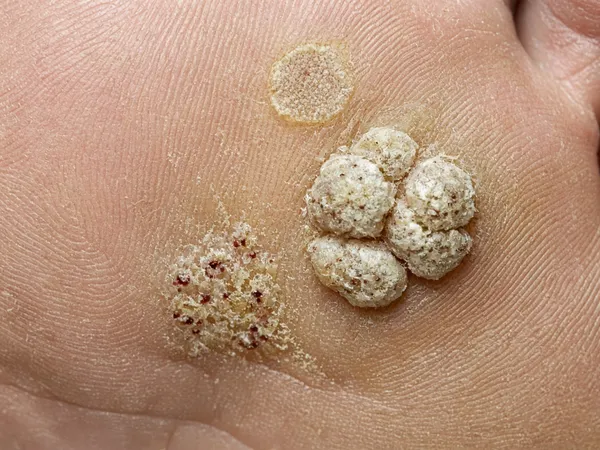
If you are not sure what a verruca is or how it forms, the guide to what a verruca is covers the basics. Here I focus on how the main treatment approaches compare.
Traditional Treatments
Cryotherapy
This involves freezing the verruca with liquid nitrogen or a similar cold agent. The extreme cold damages the infected tissue. Most people need several sessions a few weeks apart. It can be uncomfortable at the time of treatment and the area may blister or feel sore afterwards. Success rates vary and some verrucas, especially thicker or long-standing ones, respond poorly.
Acid treatments
Salicylic acid and similar preparations work by gradually breaking down the hard skin and infected tissue. They are often used at home or applied in clinic. Regular application over weeks or months is usually needed. Acids can irritate surrounding healthy skin if not used carefully, and results are mixed for deeper or multiple verrucas.
Needling
Needling is carried out under local anaesthetic. A fine needle is used to puncture the verruca repeatedly, introducing the virus deeper into the skin so the immune system notices it. It is often done as a single procedure and can be effective for stubborn cases. There is some downtime while the area settles, and not everyone wants an injection and a more invasive procedure.
How Swift Microwave Therapy Differs
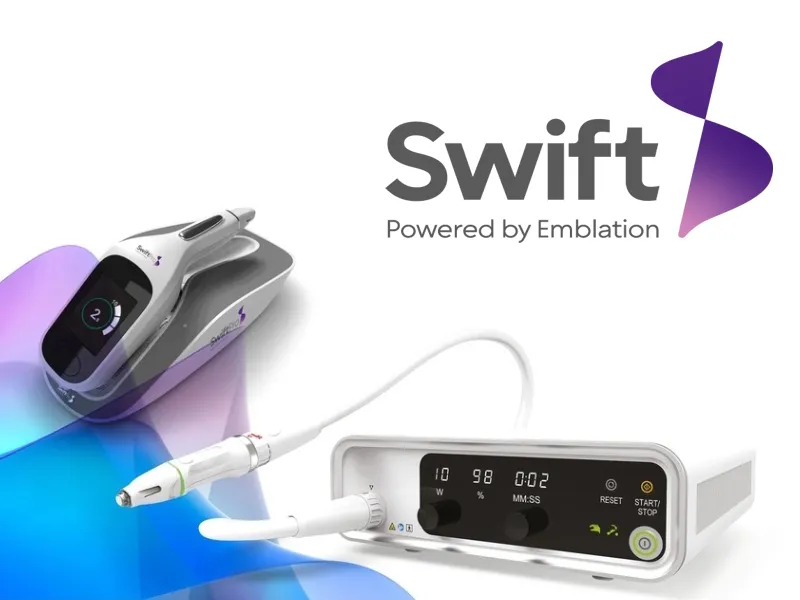
Swift microwave therapy uses short bursts of low-dose microwave energy delivered directly into the verruca. The heat is controlled and precise. It does not destroy the surface in the same way freezing or acids do. Instead it creates a thermal response that alerts the immune system to the virus, helping the body clear the infection itself.
Key practical differences include:
- No skin breakage and no open wound
- No dressings required after treatment
- Most people resume normal activities, including swimming and sport, straight away
- Brief discomfort during the energy bursts rather than prolonged soreness
- Typically 3-4 short sessions spaced about four weeks apart
Clinical figures often quoted for Swift are resolution rates of 75-85% after a full course, with many clinics reporting good results even on verrucas that have already failed other methods.
Which Approach Suits Which Situation?
Traditional methods remain reasonable first steps for small, recent verrucas, especially in children who may not tolerate a clinic procedure easily. Acids are low-cost and widely available. Cryotherapy is still offered in many clinics and GP practices.
Swift tends to be chosen when:
- Previous treatments have not worked
- The verruca is painful or affecting walking
- There are several verrucas
- The person wants minimal disruption to swimming, sport or work
- They prefer a treatment that does not leave an open wound
Needling can also be effective for resistant cases, but it involves local anaesthetic and a short recovery period. Some people prefer the non-invasive nature of Swift for that reason.
Making a Decision
The best choice depends on the size and age of the verruca, how long it has been present, previous treatments tried, and what matters most to you (pain level, downtime, number of visits). A proper assessment lets me look at the lesion, discuss your history and recommend a sensible plan.
If you would like to explore whether Swift is suitable, the Verruca Treatment in Southampton page explains the process in more detail and how to book an appointment. I see patients at clinics in Hamble and Fordingbridge as well as on a mobile basis across the local area.
Most verrucas can be resolved. The difference is usually how quickly and comfortably that happens.