A verruca is a wart that appears on the sole of the foot. It is caused by certain strains of the human papillomavirus (HPV) and is one of the most common foot problems I see in clinic, particularly among children, teenagers, and anyone who regularly uses swimming pools, gyms, or communal changing rooms.
While many verrucas are harmless and eventually clear on their own, others become painful, spread, or linger for months or even years. Understanding what they are and why they behave the way they do can help you decide when home care is enough and when it is worth seeking professional help.
What Causes a Verruca?
Verrucas are caused by specific types of HPV that infect the outer layer of the skin. The virus enters through tiny cuts, abrasions, or softened skin — something that happens easily when feet are damp or have been rubbed by shoes.
Warm, moist environments are ideal for the virus. This is why verrucas are frequently picked up in:
- Swimming pools and leisure centres
- Communal showers and changing rooms
- School sports halls and gyms
- Shared bathroom floors
Children and teenagers are particularly susceptible because their immune systems are still developing, and they are more likely to walk barefoot in these settings. Adults can also catch them, especially if their immune response is lower than usual or if they have a history of warts elsewhere on the body.
It is worth noting that the HPV strains that cause verrucas are different from the ones linked to cervical cancer or other genital conditions. Foot verrucas are not related to those types of HPV.
Common Symptoms
Verrucas can vary in appearance, but typical signs include:
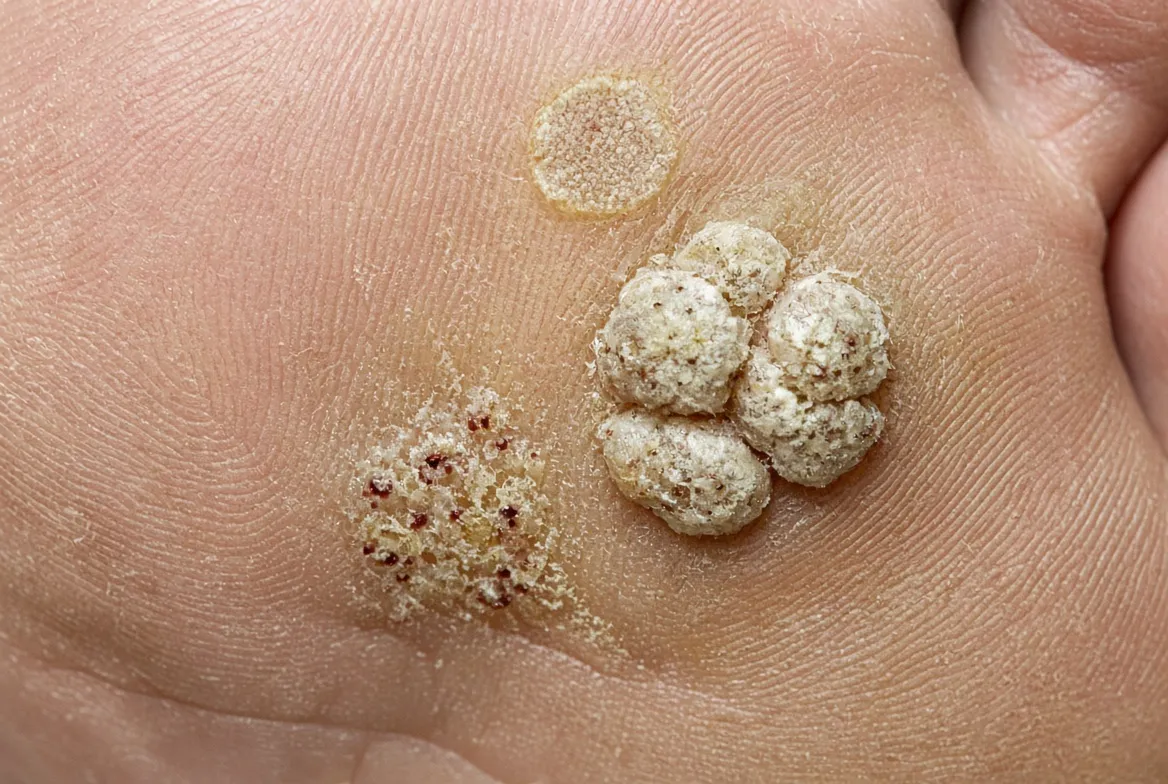
- A small, rough, grainy bump on the sole of the foot, often with a hard surface
- Black dots in the centre (these are tiny blood vessels that have clotted)
- Pain or tenderness when walking or standing, especially if the verruca is on a weight-bearing area such as the heel or ball of the foot
- Overlying callus or hard skin that builds up because of pressure
- In some cases, several verrucas that join together to form a larger “mosaic” patch
Because the verruca is pressed into the skin by body weight, it often grows inwards rather than outwards. This can make it feel like a small stone in your shoe and is one reason they can become uncomfortable quite quickly.
Why Do Some Verrucas Stick Around?
Many verrucas do clear by themselves. In children this can happen within 6–12 months; in adults it often takes longer — sometimes up to two years or more. The body eventually recognises the virus and mounts an immune response that clears it.
However, some verrucas persist. Common reasons include:
- The immune system does not strongly recognise the virus in that particular area of skin
- Thick overlying callus protects the virus and makes it harder for treatments or the immune system to reach it
- Repeated pressure or friction from walking keeps the area irritated
- Multiple or long-standing verrucas can be more stubborn
- Home treatments (such as salicylic acid or freezing kits) sometimes only affect the surface and do not stimulate a full immune response
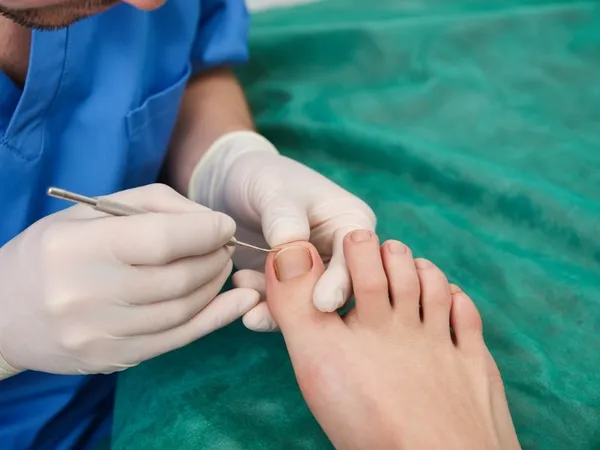
When a verruca is painful, spreading, has been present for a long time, or has not improved with consistent home treatment, professional options are often more effective. Modern approaches such as Swift microwave therapy work by stimulating the body’s own immune system to clear the virus, rather than simply destroying the surface tissue. This can lead to better clearance rates with less disruption to daily life.
When to Seek Advice
It is sensible to see a podiatrist if:
- The verruca is painful when you walk
- You have several verrucas or they are spreading
- Home treatment has not helped after 8–12 weeks of consistent use
- You are unsure whether it is a verruca, corn, or something else
- The person affected is a child who is finding it uncomfortable or embarrassing
- You have diabetes or reduced circulation (in which case any foot problem should be checked promptly)
Early assessment allows a clear plan to be made — whether that is continued observation, a simple treatment approach, or a more targeted method for stubborn cases.
If you are in the Southampton or New Forest area and would like a professional assessment, I offer specialised verruca treatment, including Swift microwave therapy, from clinics in Hamble and Fordingbridge as well as a mobile service. You can read more about the treatment process and book an appointment on the Verruca Treatment in Southampton page.
Most verrucas are manageable once you understand what is driving them. With the right approach, the majority can be resolved without ongoing discomfort.