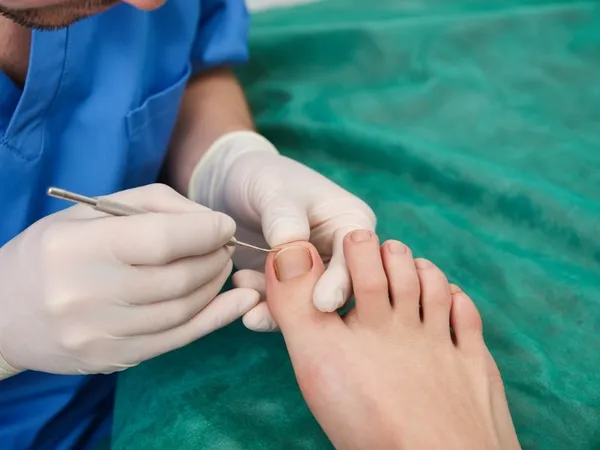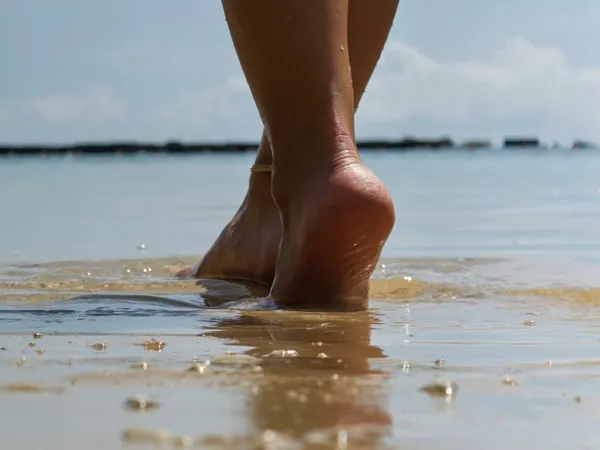

Verrucas are one of the most frequent foot problems linked to swimming pools, leisure centres and communal changing rooms. If you regularly use local pools, school sports facilities or gym changing areas, you will probably know someone who has picked one up there.
The virus that causes verrucas thrives in exactly the conditions these places provide: warm, moist surfaces and lots of bare feet in close proximity. Understanding why they spread so easily can help you and your family lower the risk.
How the Virus Spreads in Pool and Changing Environments
Verrucas are caused by certain strains of the human papillomavirus (HPV). If you are not sure what a verruca looks like or how it differs from a corn, this guide to what a verruca is covers the basics. The virus lives on the surface of the skin and can be shed onto floors, mats and shared surfaces. It does not need a visible wound to enter. Softened or damp skin, or tiny unnoticed cracks, is often enough.
In a swimming pool or changing room several factors come together:
- Floors stay wet for long periods, softening the skin on the soles of the feet
- Many people walk barefoot in the same area
- Shared towels, mats or equipment can transfer the virus
- Children and teenagers, who are more susceptible, are frequent users
Once the virus enters the skin it can take weeks or even months before a verruca becomes visible. This is why it is often hard to pinpoint exactly where it was caught.
Local Context in Southampton and the New Forest
The area has a good number of swimming pools, leisure centres and school facilities. Families also use outdoor pools, beach changing areas and holiday parks during warmer months. All of these increase the chance of contact with the virus, especially if protective footwear is not worn.
School swimming lessons are a common source. Children often go barefoot or in thin socks between the pool and the changing room, and they may share space with many other bare feet. Adults who swim regularly or use gym showers face a similar risk, particularly if they have any breaks in the skin on their feet.
Simple Steps That Reduce the Risk
You cannot eliminate the chance completely, but a few practical habits make a noticeable difference:
- Wear flip-flops or pool shoes in changing rooms, showers and around the pool edge
- Dry feet thoroughly after swimming, especially between the toes
- Avoid sharing towels, socks or footwear
- Cover any existing verruca with a waterproof plaster when swimming so the virus is less likely to spread to others
- Keep feet clean and check them regularly for early signs
If a verruca does appear, early attention usually leads to simpler treatment. Many clear with consistent home care, but some become painful or persistent, especially if they sit on a weight-bearing part of the foot.
When a Pool-Picked Verruca Needs More Than Home Care
A verruca caught from a local pool or school swimming session does not always stay small and harmless. Some grow inwards under the pressure of walking, become tender, or multiply. When that happens, the usual pharmacy treatments can feel slow or ineffective because they mainly work on the surface.
This is where a different approach can help. Swift microwave therapy, available through my specialised verruca treatment in Southampton, works by prompting the immune system to recognise and clear the virus rather than simply burning or freezing the top layer. Most people need only a few short sessions, can carry on swimming almost straight away, and do not need dressings in between.
I see a lot of these cases from leisure centres around Southampton and the New Forest. Parents often bring children after a term of school swimming, and adults come in after months of trying to manage one that started in a gym changing room. In both situations, having a clear plan early usually means less time spent uncomfortable and less chance of the verruca spreading further.
If you are dealing with a verruca that is painful, spreading, or simply not improving, you can book a straightforward assessment at one of my clinics in Hamble or Fordingbridge, or arrange a home visit. The Verruca Treatment in Southampton page explains how the process works and what to expect.
A few simple precautions around pools and changing rooms go a long way. If a verruca does develop, early advice usually means faster resolution and less discomfort.