Healthy feet make such a difference to daily life, letting you walk, run, or stand comfortably without pain or problems. The good news is that most foot issues can be prevented with a few simple habits. Here is a list of practical tips I share with patients in my clinic every day.
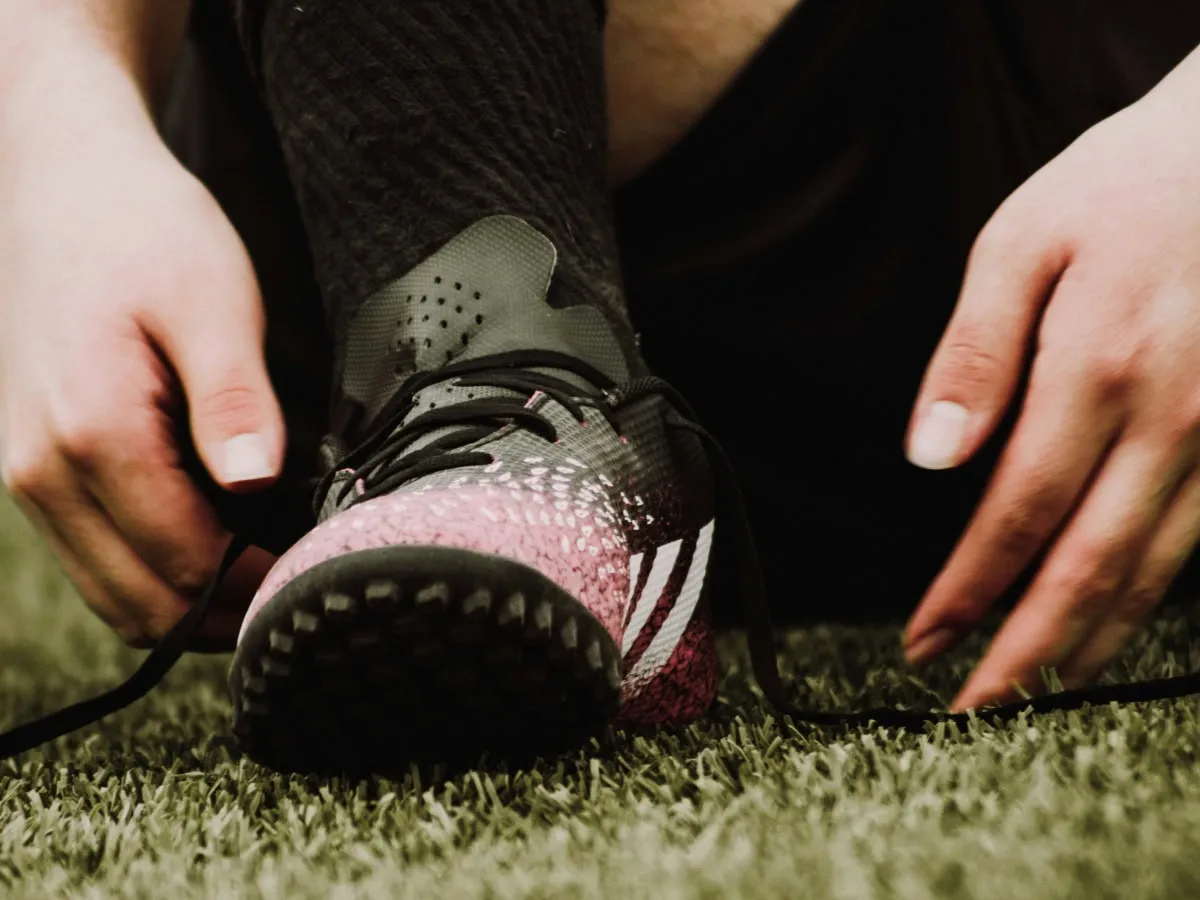
First, choose the right shoes. This is the biggest favour you can do for your feet. Go for styles that fit properly, with plenty of room in the toe area and good support under the arch. Avoid very high heels or narrow points for everyday wear, as they squash toes and strain the foot structure over time. Trainers or walking shoes should feel snug but not tight, and replace them when the cushioning wears out. If possible, get fitted later in the day when feet are a bit swollen, as that is how they will be during activity.
Keep feet clean and dry. Wash them daily with mild soap, making sure to dry thoroughly between the toes to prevent fungal infections like athlete’s foot. Moisturise the skin afterwards, especially heels, but avoid putting cream between toes where it can stay damp. Change socks every day, and choose breathable cotton or moisture-wicking materials rather than synthetic ones that trap sweat.
Cut toenails correctly. Always trim straight across, not rounded at the corners, and avoid cutting too short. Use proper nail clippers and file any sharp edges smoothly. This simple step stops ingrown toenails before they start. If nails are thick or hard to reach, a podiatrist can help safely.
Stay active but sensibly. Regular walking or gentle exercise strengthens foot muscles and improves circulation. However, build up gradually if you are starting something new, to avoid strains like plantar fasciitis. Stretch calves and toes daily, perhaps by rolling a tennis ball under the foot or pulling toes gently upwards.
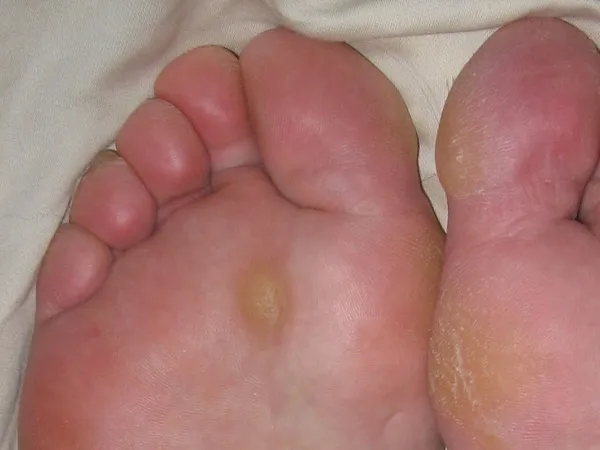
Check your feet regularly. Give them a quick look-over once a week for any changes, like redness, cracks, or unusual lumps. Early spotting of issues means easier fixes. This is especially important if you have diabetes or poor circulation, as small problems can become serious quickly, so annual podiatry checks are recommended.
Moisturise and exfoliate gently. Dry skin leads to cracks, so use a good foot cream daily. For hard skin on heels, file lightly after a bath with a pumice or foot file, but never cut it yourself or use harsh blades, as that can cause injury.
Wear flip-flops in communal areas. Swimming pools, gym showers, and changing rooms are hotspots for verrucas and fungal pick-ups, so protect your feet with footwear there.
Finally, listen to your feet. If something hurts or feels off for more than a few days, do not ignore it. Rest, ice if swollen, and seek advice from a podiatrist or GP if needed.
Following these tips can keep most common problems at bay. Feet work hard for us, so a little care goes a long way. Stay on your toes, literally!