Feet take a real pounding every day, carrying us around without much complaint until something goes wrong. In my clinic, I see the same issues cropping up time and again. Here is a rundown of some of the most common foot problems, what causes them, and what you can do about them at home, plus when it is time to seek professional help.
- Ingrown Toenails
We covered these in detail before, but they are so common they deserve a mention. They happen when the edge of a nail, usually the big toe, grows into the surrounding skin. Main causes are cutting nails too short or rounded instead of straight across, tight shoes, injury, or naturally curved nails.
Home remedies: soak in warm salted water several times a day, gently lift the edge and pack with a wisp of cotton wool, keep clean, and wear roomy shoes.
If it gets red, swollen, or pus appears, see a podiatrist for proper cutting or, if recurrent, a quick minor procedure to remove the offending edge permanently. - Corns and Calluses
These are patches of hard, thickened skin. Corns are small and often painful with a central core; calluses are larger and more diffuse. Both come from repeated friction or pressure, usually from ill-fitting shoes, high heels, or not wearing socks.
Remedies: gently file with a pumice stone or foot file after a soak (never cut them yourself), moisturise daily with a urea-based cream, and use padded plasters or silicone cushions for relief. Most importantly, sort out the footwear causing the problem. Over-the-counter acid pads can help but use carefully to avoid damaging healthy skin. - Athlete’s Foot
This itchy fungal infection loves warm, moist places like changing-room floors and sweaty trainers. It shows as itching, redness, cracking, or peeling between the toes or on the soles.
Remedies: keep feet clean and dry, especially between toes, change socks daily, wear flip-flops in communal showers, and use an antifungal cream from the pharmacy for a couple of weeks. If it spreads or does not clear, a podiatrist can prescribe stronger treatment. - Bunions
A bunion is a bony bump on the side of the big toe joint that can become red and sore. It is often inherited but made worse by narrow or high-heeled shoes that squash the toes together over years.
Remedies: wide, supportive shoes with a deep toe box are essential. Bunion pads or toe spacers can ease pressure. Ice and pain relief help flare-ups. In severe cases where walking is painful, surgery to realign the joint may be needed, but it is always worth trying conservative measures first. - Plantar Fasciitis (Heel Pain)
This is stabbing pain under the heel, worst first thing in the morning. It comes from inflammation of the thick band of tissue running along the bottom of the foot, often triggered by sudden increases in activity, unsupportive shoes, or tight calf muscles.
Remedies: rest from aggravating activities, stretch calves and feet daily (rolling a frozen water bottle under the foot is brilliant), wear supportive shoes or insoles, and take anti-inflammatory pain relief if needed. Most cases settle within months with these steps, but persistent pain benefits from podiatry assessment for custom orthotics. - Verrucas (Plantar Warts)
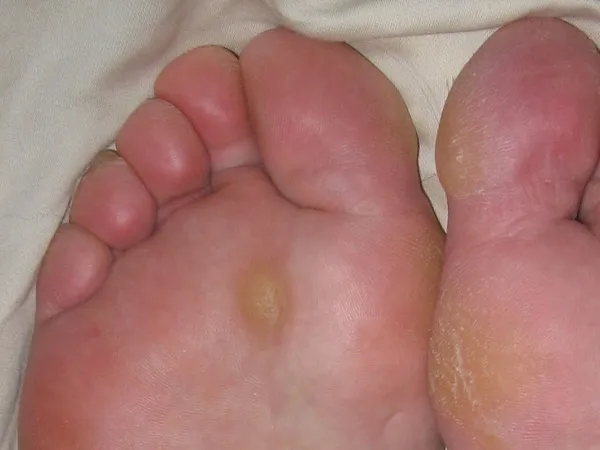
These are viral warts on the sole caused by the human papillomavirus, picked up in damp places like swimming pools. They look like small rough growths, sometimes with black dots, and can be painful when walking.
Remedies: over-the-counter salicylic acid gels or plasters work well if used consistently for weeks. Cover with a waterproof plaster for swimming. Avoid picking or sharing towels. Stubborn ones often need podiatrist treatment with stronger acids, freezing, or needling.
Advanced treatments are also available using the latest microwave technology, being less invasive and more effective than traditional treatments. - Dry, Cracked Heels
Skin on heels thickens and splits, sometimes painfully. Causes include standing a lot, open-back shoes, dry skin conditions, or just not moisturising enough.
Remedies: daily cream with urea or lactic acid, file gently, and wear closed shoes with good support. Deep cracks that bleed should be checked to rule out infection or underlying skin issues. - Fungal Nail Infections
Thick, discoloured, crumbly nails, usually starting at the big toe. It spreads from athlete’s foot or shared nail clippers.
Remedies: antifungal nail lacquer from the pharmacy can help mild cases, but thicker infections often need tablets prescribed by a GP or podiatrist. Keep nails short and dry.
Most foot problems are preventable with simple habits: wear well-fitting shoes, keep feet clean and moisturised, cut nails straight, and stay active without overdoing it. If pain stops you doing daily activities, or you have diabetes or circulation problems, do not wait, get checked sooner rather than later.