If you’ve ever had a painful spot on your toe or a rough patch on your heel that makes walking a bit grim, chances are you’ve dealt with corns or calluses. These are super common foot issues, and they’re basically your skin’s defence mechanism against constant friction or pressure. They’re not usually serious, but they can be uncomfortable, and sorting them out early makes life easier.
What’s the Difference?
Corns and calluses both come from thickened skin, but they’re not quite the same.
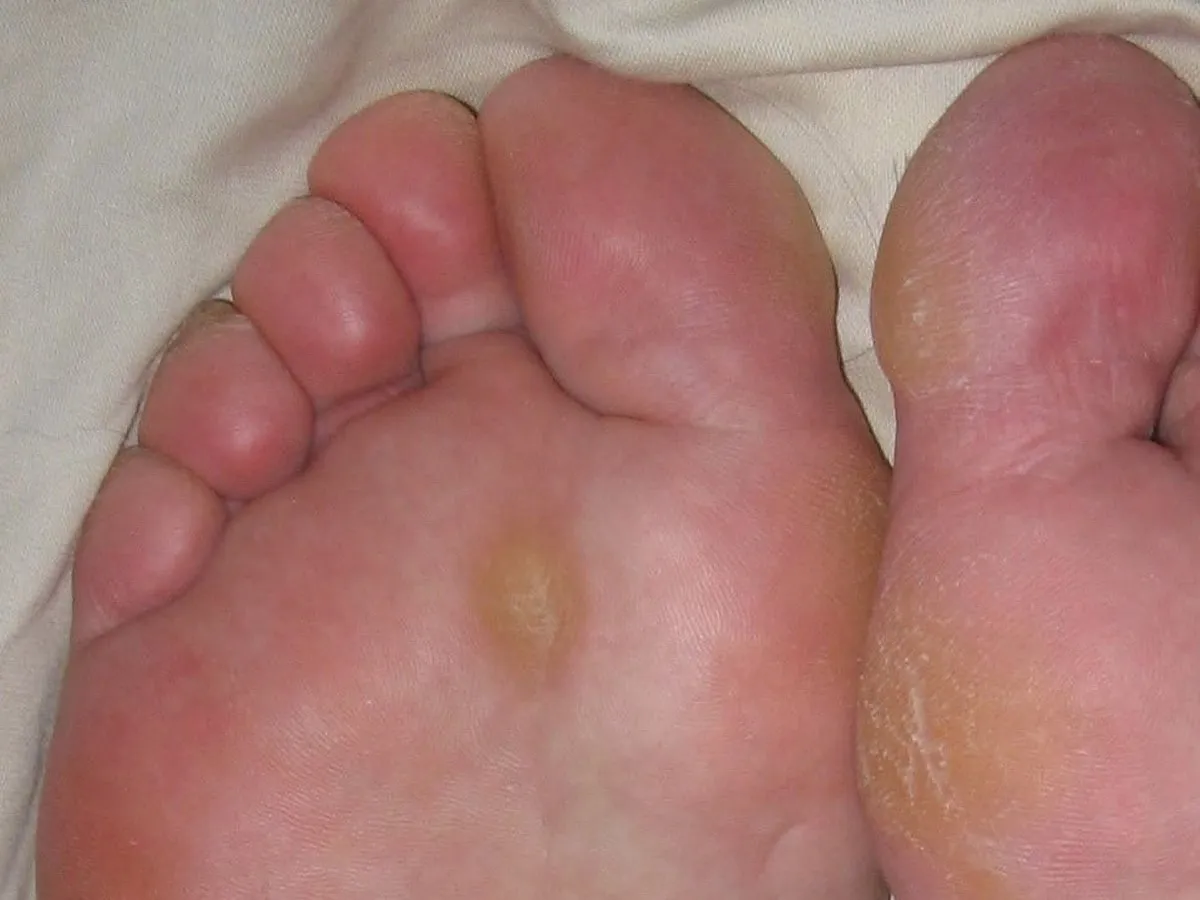
Corns are smaller, often round, and have a hard centre that can feel like a little pebble under the skin. They tend to pop up on the tops or sides of toes, or between them (those are the softer ones that stay moist from sweat). Press on a corn and it usually hurts.
Calluses are bigger, flatter patches of tough skin without that central core. You’ll often find them on the heels, balls of the feet, or palms if you’re doing a lot of manual work. They’re rarely painful unless they’re really thick.
Why Do They Happen?
The main culprit is repeated rubbing or pressure. Think tight shoes, high heels, going without socks, or even loose shoes that make your foot slide around. Other triggers include things like playing instruments, using tools without gloves, or just the way your feet are shaped (bunions or hammertoes can add extra pressure spots).
Symptoms to Watch For
You’ll notice thick, rough skin that’s tender when you press it. Corns can be painful with direct pressure, while calluses might just feel hard and dry. If things get worse, you might see flaky skin, or in bad cases, bleeding or discharge if it’s cracked or infected.
How to Treat Them at Home
Most of the time, you can sort these yourself. Start by switching to comfy, well-fitting shoes with plenty of room for your toes. Thick cushioned socks help too, along with soft insoles or padding over the spot.
Soak your feet in warm water to soften the skin, then gently rub away the dead bits with a pumice stone or foot file (go easy, don’t overdo it). Moisturise regularly to keep the skin supple. Over-the-counter pads or plasters can protect the area while it heals.
Important: never try to cut or shave them off yourself with a blade. That’s asking for trouble, especially infection.
When to See a Podiatrist or GP
If you’ve got diabetes, poor circulation, or heart issues, don’t mess about at home. See a professional straight away, as even small foot problems can turn serious.
Also head to the doctor or podiatrist if the corn or callus is infected (pus, bleeding, swelling), hasn’t improved after a few weeks of home care, or the pain is stopping you from getting on with your day.
A podiatrist can safely pare down the thick skin, prescribe special pads or insoles, or sort out any underlying foot shape issues.
Prevention Tips
The best cure is stopping them before they start. Wear shoes that fit properly (wide enough, low heel, soft sole). Use protective pads if you know you’ve got pressure spots. Keep feet moisturised, and gently file down any building thickness before it turns into a proper corn or callus. Padded gloves help if it’s your hands from work or hobbies.
Corns and calluses are a nuisance, but with a bit of care and better footwear choices, most people keep them under control. If they’re bothering you a lot, a chat with a podiatrist can make a big difference. Your feet carry you everywhere, so give them a break when they complain!