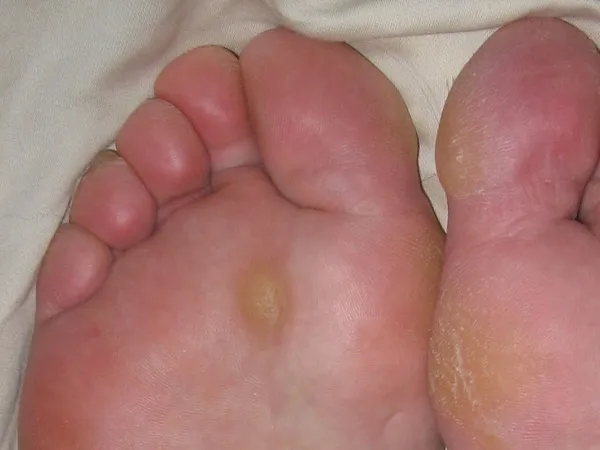

I see a lot of people struggling with ingrown toenails. It’s one of the most common foot problems that brings patients through my clinic door. An ingrown toenail happens when the edge of the nail grows into the surrounding skin, usually on the big toe. It can start as a minor annoyance but quickly become painful, red, swollen, and sometimes infected if left untreated.
What Causes Ingrown Toenails?
So what causes them? The most frequent culprit is cutting your toenails incorrectly. Many people trim them too short or round the corners, which encourages the nail to curve inwards as it grows. Wearing shoes that are too tight or narrow, especially pointed styles, squeezes the toes and forces the nail into the skin.
Trauma, like stubbing your toe or dropping something heavy on it, can also trigger the problem. Some folks are simply more prone due to the natural shape of their nails, perhaps inherited, or if they have particularly sweaty feet that soften the skin and make it easier for the nail to dig in.
Poor foot hygiene or fungal infections can play a role too, though they’re less common triggers.
Managing Ingrown Toenails
The good news is that many ingrown toenails can be managed at home, especially in the early stages. Start by soaking the foot in warm, salted water for fifteen to twenty minutes, three or four times a day. This softens the skin and reduces swelling.
Gently lift the offending nail edge and place a small piece of cotton wool or dental floss underneath to encourage it to grow above the skin, this is called packing. Keep the area clean and dry otherwise, and wear roomy shoes or sandals to give your toe some breathing space.
Over-the-counter pain relief like paracetamol or ibuprofen can help with discomfort, and an antiseptic cream might prevent infection if things look a bit red.
If the pain worsens, you notice pus, excessive swelling, or if you have diabetes or poor circulation, don’t wait, book an appointment with your GP or a podiatrist straight away. Delaying can lead to a more serious infection.
Professional Treatment
For persistent or severe cases, professional treatment is often the best route. As a podiatrist, I might first try conservative methods like carefully cutting away the ingrown spike and teaching better nail-cutting technique, straight across, never rounded.
If it keeps coming back, a minor procedure under local anaesthetic can solve it permanently. This involves removing the problematic edge of the nail and applying a chemical to stop that section regrowing. It’s quick, done in the clinic, and most people walk out comfortably the same day with just a simple dressing.
Preventing ingrown toenails is straightforward: cut nails straight across, keep feet clean and dry, and choose shoes that fit properly with plenty of toe room. If you’re unsure about your technique, pop in for advice, it’s always better to catch things early.
Take care of your feet, they’re carrying you through life!